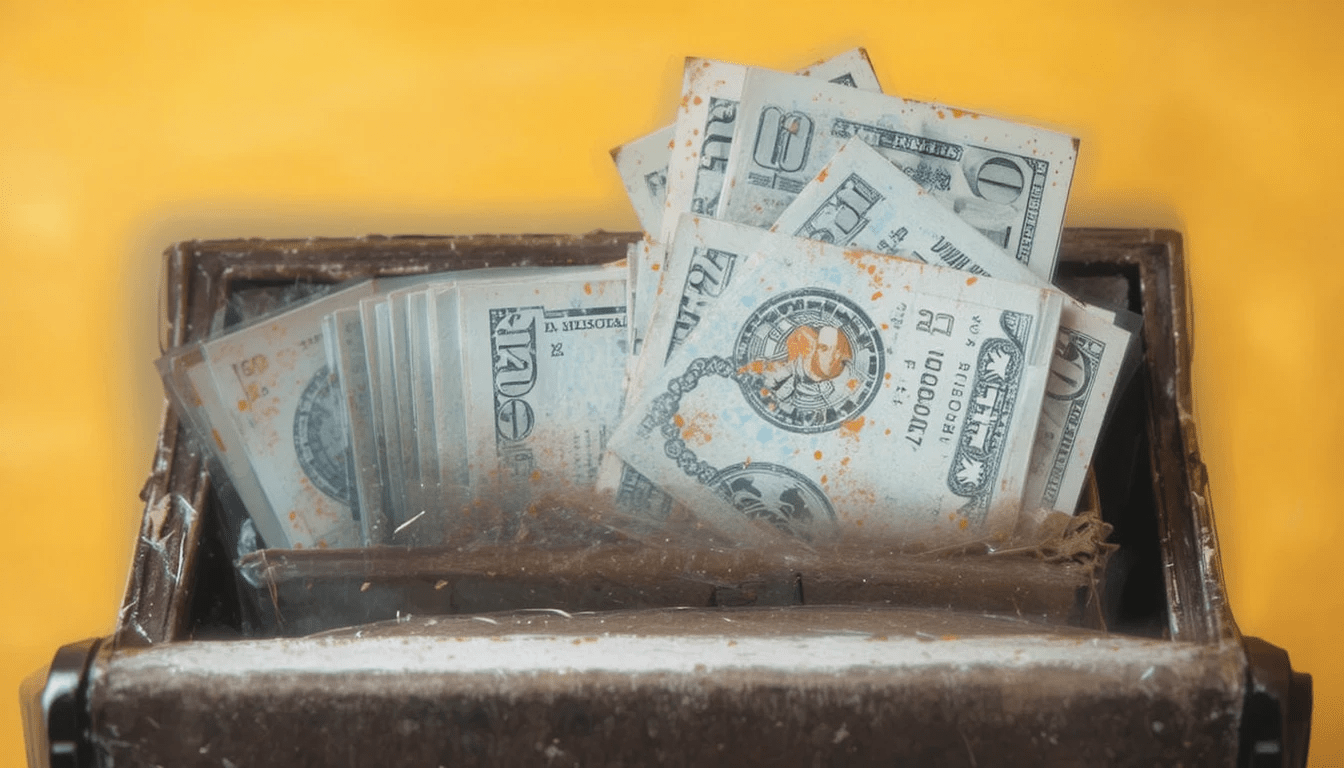
In today’s digital world, subscriptions feel harmless. Ten dollars here for a streaming service, fifteen dollars there for a gym membership, and maybe another twelve for a music app. Each one looks small on its own, less than the cost of lunch at a café. But when you add them up—and forget about the ones you rarely use—subscriptions can quietly drain your wallet. This is the subscription trap: the hidden cost of convenience in the modern age.
The Rise of the Subscription Economy
Not long ago, most purchases were one-time payments. You bought a DVD, and it was yours forever. You purchased a piece of software, installed it, and used it for years. But today, companies have shifted toward recurring payments. Instead of charging you once, they charge you monthly or yearly, locking you into ongoing commitments.
The appeal is obvious. Subscriptions spread costs over time, making expensive things feel affordable. Netflix at $10 a month is easier to swallow than buying a $30 DVD every week. Spotify at $12 a month feels cheaper than buying every album you like. The business model also benefits companies, providing steady, predictable income.
But what benefits businesses can easily hurt consumers—especially those who don’t realize how fast these small amounts add up.
How Small Subscriptions Add Up
When I first started signing up for subscriptions, I barely noticed the charges. A streaming platform here, a cloud storage plan there—it all seemed manageable. Each charge was only a few dollars, so why worry?
But one day I decided to look closely at my bank statement. To my surprise, I was paying for:
- $12.99 for Netflix
- $9.99 for Spotify
- $6.99 for a meditation app I hadn’t used in months
- $4.99 for a note-taking app with features I never touched
- $24.99 for a gym I rarely visited
- $14.99 for Adobe software I only used twice a year
That’s almost $75 a month—nearly $900 a year—gone on services I didn’t even use regularly. And that wasn’t counting hidden ones like cloud storage or app subscriptions I had forgotten about.
This is the subscription trap in action: death by a thousand cuts.
The Psychology Behind the Trap
Why do we fall into this cycle so easily? The answer lies in psychology.
- The “It’s Only” Effect: Each subscription feels small—“It’s only $10.” The problem is we apply that reasoning ten times, forgetting the total.
- Set It and Forget It: Subscriptions run automatically. Once you enter your credit card, you rarely think about it again. Unlike a one-time purchase, you don’t feel the pain of spending each month.
- Fear of Missing Out (FOMO): Companies keep you hooked by making you feel you’ll miss something if you cancel. What if your favorite show comes out next month? What if you need that software suddenly?
- Guilt Factor: Many of us think, “I’ll use it later,” and keep paying out of guilt, even when we don’t.
The model is designed to exploit these biases. Businesses know you’re more likely to keep paying than to go through the hassle of canceling.
Real-Life Consequences
While $10 or $15 doesn’t sound like much, it has real consequences over time:
- Budget Drain: Extra $100 a month could be an emergency fund, investments, or groceries.
- Savings Loss: Over five years, unused subscriptions can cost thousands—money that could grow if invested.
- Debt Accumulation: For people using credit cards, unpaid subscription charges add to balances, increasing interest costs.
- Stress and Guilt: Subscriptions you don’t use become a source of guilt, reminding you of wasted money.
It’s not just about money—it’s about the emotional toll of feeling like you’re constantly “leaking” cash.
My Wake-Up Call
For me, the wake-up call came when I realized I was paying for two streaming services simultaneously but rarely used either. I was too busy with work to watch shows, yet I kept both accounts active. When I canceled them, I suddenly had an extra $25 in my account every month. That’s $300 a year—money I could put into savings, or use for something I actually valued.
It made me wonder: how many of us are stuck paying for things we don’t even remember subscribing to?
Common Hidden Subscriptions
Here are some of the most common “forgotten” subscriptions that drain people’s wallets:
- Streaming Services: Netflix, Disney+, Hulu, Amazon Prime Video, etc.
- Music Apps: Spotify, Apple Music, Tidal.
- Fitness/Gym Memberships: Especially unused ones.
- Digital Storage: iCloud, Google Drive, Dropbox.
- Software: Adobe Creative Cloud, Microsoft Office 365.
- Mobile Apps: Meditation, productivity, fitness, games.
- Subscriptions Within Subscriptions: Ordering apps like Uber Eats Pass, Amazon add-ons, and premium upgrades.
Individually they look cheap, but together they can rival major bills like rent or utilities.
Escaping the Subscription Trap
Breaking free isn’t about cutting out everything—it’s about becoming conscious and intentional. Here’s what worked for me:
- Audit Regularly: Go through your bank or credit card statement every three months. Highlight recurring charges.
- Cancel What You Don’t Use: Be honest—if you haven’t used it in two months, you probably won’t. Cancel it.
- Rotate Services: Instead of keeping three streaming platforms at once, rotate them. Subscribe to one, watch everything you want, then cancel and move to the next.
- Use Free Alternatives: For meditation, note-taking, or fitness, there are plenty of free apps or YouTube channels.
- Set Reminders: If you sign up for a free trial, set a reminder in your phone to cancel before the billing date.
- Bundle Wisely: Sometimes bundles like Amazon Prime (which includes shipping, video, and music) are cheaper than paying separately.
These small changes can free up significant money over time.
The Bigger Lesson
The subscription trap isn’t just about services—it’s about our relationship with money. Subscriptions encourage passive spending, making us less mindful of where our money goes.
The bigger lesson is that small habits create big outcomes. Spending $10 thoughtlessly every month can mean losing thousands over years. On the other hand, being conscious and redirecting those small amounts toward savings or investments can build long-term wealth.
It’s not about deprivation; it’s about choice. I’d rather spend $75 on a great meal with friends than let it disappear into forgotten apps.

Conclusion
The subscription trap is one of the most common financial pitfalls of modern life. It feels harmless because it hides behind small amounts and convenience. But over time, $10 here and $15 there can quietly empty your wallet, leaving you wondering where all your money went.
The solution isn’t to reject subscriptions altogether, but to use them wisely. Be intentional about what you pay for, cancel what you don’t use, and remember that every dollar counts.