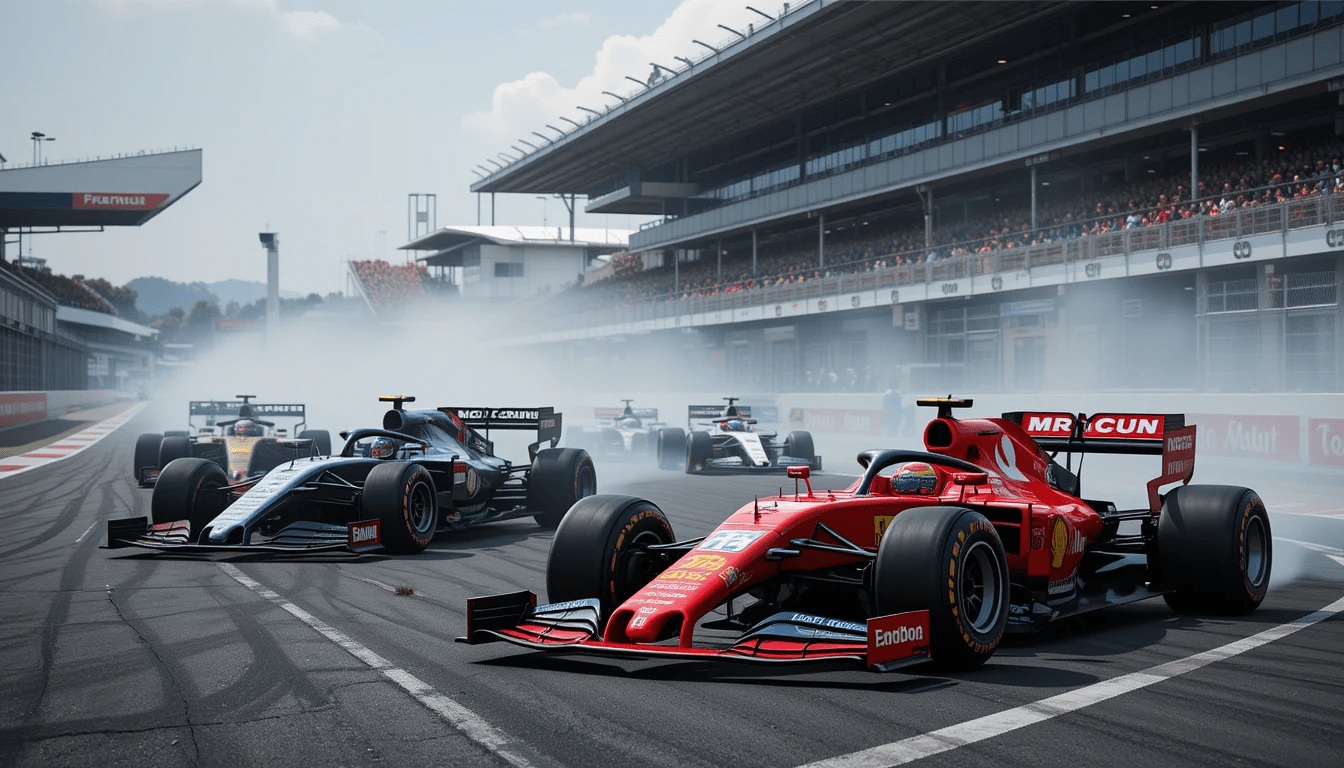

When fans watch athletes push limits—whether it’s Formula 1 cars hitting 350 km/h, MotoGP riders leaning into impossible corners, or footballers scoring in front of roaring crowds—they see passion, competition, and glory. But beneath the surface, sports today are as much about business as they are about performance. Finance fuels every aspect of modern sports, from player salaries and sponsorships to broadcasting rights and stadium construction. Understanding how money flows through sports reveals why leagues expand, why teams survive or collapse, and why athletes become global icons.
- The Financial Engine of Sports
The sports industry is one of the world’s biggest businesses, valued at over $600 billion globally. The main sources of income across different sports are surprisingly similar:
Broadcasting Rights: The largest driver of revenue. Networks and streaming services pay billions to show sports events. For example, the English Premier League earns over $10 billion from broadcasting rights in a single cycle.
Sponsorships & Endorsements: Brands pay heavily to associate with teams, leagues, or individual athletes. Logos on jerseys, cars, helmets, and even post-race interview backdrops are prime marketing real estate.
Ticket Sales & Event Hosting: Stadiums, arenas, and race tracks generate income from fans attending live. Ticket prices for major finals or races can reach thousands of dollars.
Merchandising: Jerseys, caps, and collectibles are billion-dollar businesses. Fans’ emotional attachment makes sports merchandise some of the most profitable consumer products.
- Formula 1: High-Speed Business
Formula 1 exemplifies how finance dominates sports. Running an F1 team costs hundreds of millions each year. Money flows through:
Sponsorships: Red Bull Racing is supported by Oracle and Tag Heuer; Ferrari partners with Shell and Santander. These deals bring in over $100 million annually per top team.
Broadcasting & Hosting Fees: F1’s global TV rights and race hosting contracts generate billions for the sport. Cities like Las Vegas pay up to $60 million just to host a single Grand Prix.
Cost Cap: Introduced in 2021, it limits team spending to around $145 million, ensuring fairness and financial sustainability.
The result? F1 has become not only a racing competition but also a powerful global marketing platform.
- MotoGP: Two Wheels, Big Money
While MotoGP doesn’t have Formula 1’s financial scale, it operates on a similar model. Its revenues come from:
Sponsorships: Teams like Ducati and Yamaha are backed by brands such as Lenovo, Monster Energy, and Red Bull.
Broadcasting Deals: MotoGP is watched in over 200 countries, bringing consistent income from TV rights.
Manufacturer Investment: Unlike F1, MotoGP is more heavily influenced by factory teams (Honda, Yamaha, Ducati), which treat racing as both sport and R&D for commercial motorcycles.
Although MotoGP’s budgets are smaller, the financial stakes remain high. Top riders like Marc Márquez or Valentino Rossi (in his prime) attracted not only race wins but also global sponsorship deals worth millions.
- Football: The Global Money Machine
If Formula 1 and MotoGP are speed-driven businesses, football (soccer) is the world’s financial giant. Consider:
Broadcasting: FIFA’s World Cup rights generate billions, and European leagues like the EPL, La Liga, and Serie A depend heavily on TV money.
Salaries & Transfers: Clubs pay astronomical fees for players—Paris Saint-Germain signed Neymar for over $200 million, while Lionel Messi and Cristiano Ronaldo have earned hundreds of millions through both salaries and endorsements.
Sponsorships: Adidas, Nike, and Emirates are just a few global brands that invest billions into the sport.
Football is also unique in the sense that fan-driven revenue, from ticket sales to merchandise, represents a significant portion of the financial ecosystem.
- The American Model: NBA, NFL, and Beyond
In the U.S., sports leagues like the NBA and NFL operate differently:
Revenue Sharing: Teams share income more equally, which ensures that small-market franchises can still survive.
Broadcasting Deals: The NFL alone secures more than $100 billion in TV contracts, making it the richest sports league globally.
Sponsorship & Merchandising: From Nike’s jersey deals to Gatorade endorsements, these partnerships generate enormous sums.
The American model emphasizes league stability and long-term financial health over free-market competition.
- Common Financial Challenges in Sports
Despite immense revenue, sports also face recurring financial challenges:
Inequality: Wealthier teams dominate. In F1, Ferrari and Red Bull traditionally outspend smaller teams. In football, mega-clubs like Real Madrid and Manchester City have far more resources than mid-table rivals.
Overdependence on Sponsorships: If sponsors withdraw, teams can collapse quickly. Smaller F1 and MotoGP teams often struggle with this.
Rising Costs: Stadiums, travel, and technology advancements continually push operating costs higher.
Athlete Salaries: Player wages often take up a majority of clubs’ expenses, leading to financial instability if revenues dip.
- Future of Sports Finance
The future of sports finance is shaped by three trends:
Streaming & Digital Expansion: Sports are moving from traditional TV to platforms like Netflix (Drive to Survive for F1) and Amazon (All or Nothing for football). These boost revenues and attract younger audiences.
Sustainability & Innovation: F1 is investing in sustainable fuels, while stadiums are being built with eco-friendly designs. Green initiatives attract both investors and fans.
Global Expansion: Sports are entering new markets—F1 in the U.S. and Middle East, football in Asia, and basketball in Africa—unlocking billions in new revenue opportunities.
Conclusion
Finance is the invisible referee of sports. Whether it’s Formula 1 roaring down straights, MotoGP riders dancing on two wheels, or footballers dazzling crowds, money dictates who gets to compete, how much they can spend, and how successful they can be.
While passion and talent drive performance, it is broadcasting rights, sponsorship deals, and strategic financial management that keep the game alive. Sports may be entertainment on the surface, but at its core, it is one of the world’s most sophisticated business industries.