

Introduction: The Modern Budgeting Struggle

Managing personal finances today is more complex than ever. Between multiple income streams, subscription services, credit cards, savings accounts, investments, and ever-rising living costs, it’s easy to feel overwhelmed. Traditional budgeting tools—like spreadsheets or notebooks—no longer cut it for most people.
That’s where financial dashboards come in. These visual, dynamic tools help individuals and families bring clarity, organization, and insight to their money management.
A well-designed dashboard doesn’t just track your spending—it transforms your relationship with money.
1. What Is a Financial Dashboard?
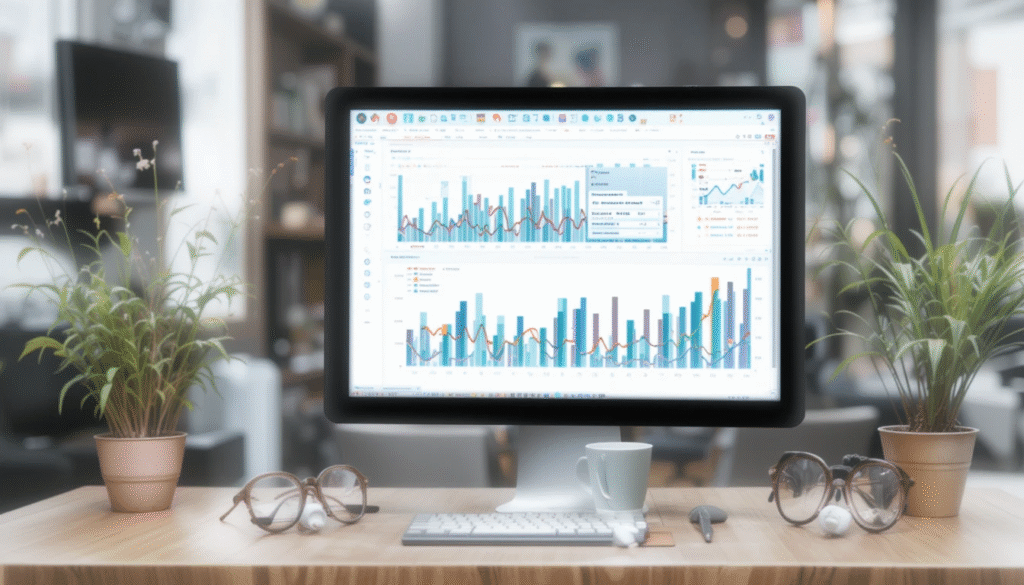
A financial dashboard is a digital interface that consolidates and visualizes your financial data in one place. It often includes:
- Income and expenses overview
- Net worth tracking
- Budget breakdown by category
- Debt repayment progress
- Investment performance
- Goal tracking (e.g., saving for a house or vacation)
Dashboards can be customized to fit your needs and updated in real-time. Think of it as a command center for your financial life.
2. Why Clarity Matters in Budgeting
You can’t improve what you don’t understand. Many people struggle with budgeting because their money feels invisible—spread across multiple apps, accounts, or even mental tabs.
A dashboard brings all of that into one visual, interactive snapshot, providing:
- Immediate clarity on where your money is going
- Early warning signs of overspending
- Progress updates on financial goals
- Motivation by visualizing wins (like debt payoffs or savings milestones)
Seeing your finances in motion creates a sense of control, which leads to better decisions.
3. Key Features That Make Dashboards Effective
Not all dashboards are equal. Here are features that make one effective:
✅ Real-Time Syncing
Live updates from your bank, credit card, and investment accounts help you stay up to date.
✅ Custom Categories
Instead of default labels like “Miscellaneous,” you can create categories like “Dog Food” or “Weekend Trips.”
✅ Visual Elements
Charts, graphs, and progress bars simplify complex data into easily digestible formats.
✅ Goal Tracking
You can create savings or debt payoff goals and visually monitor your progress toward them.
✅ Alerts and Forecasts
Some dashboards predict future cash flow based on your habits or alert you if you’re nearing budget limits.
✅ Net Worth Calculation
By aggregating assets (bank, investments) and liabilities (loans, credit), you can track your financial health over time.
4. Top Tools for Building or Using Dashboards
You don’t have to build your own dashboard from scratch (unless you want to). Popular options include:
1. Mint
Free, easy to use, links accounts, shows spending trends. Ideal for beginners.
2. YNAB (You Need A Budget)
Proactive budgeting, goal setting, forward planning. Best for behavior-based budgeting.
3. Tiller Money
Uses Google Sheets with automated feeds. Customizable for spreadsheet lovers.
4. Personal Capital (now Empower)
Great for high-level net worth and investment tracking.
5. Notion + Manual Dashboards
With templates, you can create visual dashboards customized to your style.
6. Excel or Google Sheets (DIY)
Advanced users can build custom dashboards using formulas, charts, and scripts.
Each tool suits different styles—some favor automation, others flexibility.
5. The Psychology of Visualization
Why are dashboards so effective?
Because humans are visual creatures. Studies show we process visuals 60,000 times faster than text. When you see your money laid out graphically:
- Overspending becomes obvious
- Goal progress feels more real
- Trends and patterns are easier to detect
- Emotions calm down as control increases
Dashboards bridge the gap between raw numbers and actionable insight.
6. Financial Dashboards for Couples or Families
Shared finances can get messy without shared visibility.
A joint financial dashboard helps partners or families:
- Align on spending and saving goals
- Avoid miscommunication or duplicate purchases
- Distribute responsibilities (e.g., tracking bills vs. managing subscriptions)
- Celebrate wins together (like paying off a credit card or saving for a vacation)
Transparency fosters trust and teamwork, turning money into a collaborative tool rather than a source of stress.
7. Common Mistakes When Using Dashboards
Even the best tools can fail without good habits. Avoid these pitfalls:
- Neglecting updates: If accounts aren’t synced or reviewed regularly, your data loses value.
- Overcomplicating design: A messy dashboard can become overwhelming.
- Ignoring emotional triggers: A beautiful dashboard won’t fix impulse spending alone.
- Using dashboards without budgeting behavior: Tracking is not the same as planning.
Your dashboard should serve clarity, not clutter.
8. Custom Dashboards for Specific Goals
You can tailor dashboards to reflect personal goals, like:
🎯 Debt Repayment
Visualize your debt snowball or avalanche plan. Celebrate each payoff milestone.
🏡 Homeownership
Track down payments, mortgage rates, property savings, and credit score progress.
🛫 Travel Savings
Watch your vacation fund grow with colorful visuals and deadlines.
📈 Investment Tracking
Follow your asset growth, portfolio allocation, and long-term ROI.
Your dashboard should reflect your dreams, not just your debts.
9. Dashboards for Side Hustlers or Freelancers
For entrepreneurs or freelancers, dashboards are game-changing for:
- Tracking business income and expenses
- Calculating quarterly taxes
- Visualizing profit margins
- Separating personal and business budgets
- Forecasting cash flow in low vs. high seasons
A well-structured dashboard can prevent tax surprises, missed bills, or cash shortfalls.
10. Final Thoughts: Control = Freedom
A financial dashboard is more than a digital display—it’s a financial clarity machine. By turning raw data into insight, dashboards empower you to make smarter choices, align with your goals, and reduce financial anxiety.
In a world where money often feels chaotic, a dashboard restores order and vision.
And that vision? It leads to financial freedom.
