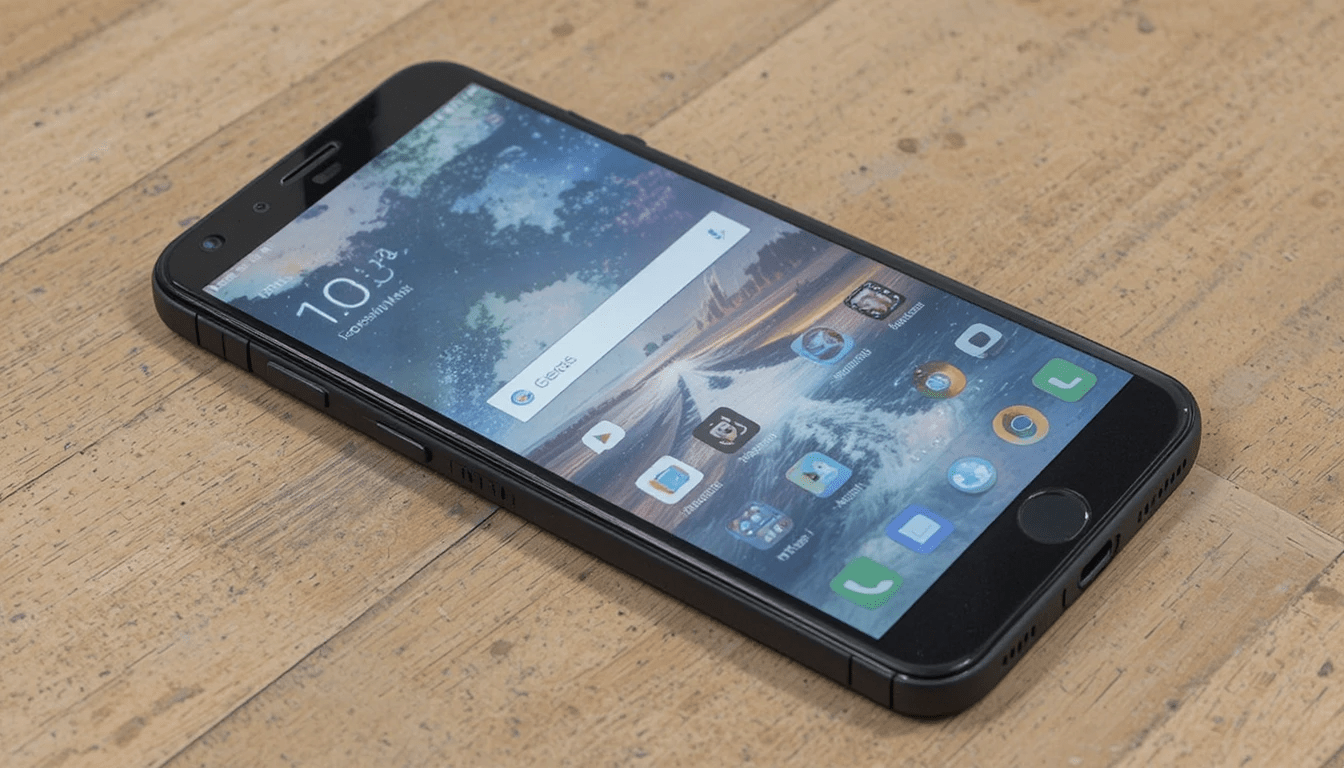
Every year, tech giants unveil shiny new phones with upgraded cameras, faster processors, and sleek designs. The presentations are dazzling, the marketing is persuasive, and the pressure to upgrade feels almost unavoidable. I know this pressure well—I used to be one of those people who lined up for the latest model every release cycle. But after years of falling into the upgrade trap, I finally realized something important: owning the latest phone isn’t worth it.
Here’s my experience and the lessons I learned along the way.
The First Time I Got Hooked
It started with my very first smartphone upgrade. My old phone was still working fine, but a friend showed me their new device, which had a bigger screen and a much better camera. Suddenly, my own phone felt outdated and clunky. When I saw the ads for the new model, I convinced myself I needed it.
The purchase felt great—at first. Pulling the phone out in public, showing off the new features, snapping crisp photos—it was exciting. But soon the excitement faded. After a few weeks, it became just another phone in my pocket. Looking back, that cycle of hype and disappointment repeated every year.
The Real Cost of Upgrading
Phones today aren’t cheap. High-end models regularly cost $1,000 or more, sometimes closer to $1,500. Even if you finance it through a carrier, those monthly installments add up.
For example, one year I financed a flagship phone at $40 a month for 24 months. At first, $40 seemed small—“just the price of a couple of dinners out.” But when I added up the total, I realized I was spending nearly $1,000 over two years. The kicker? By the time I had paid it off, a new model had already launched, tempting me again.
It wasn’t just the cost of the phone, either. Accessories like cases, screen protectors, and wireless earbuds pushed the price higher. Some new models didn’t even include chargers, forcing you to buy extras. And when you upgrade every year, you often end up selling your old phone at a huge loss or letting it collect dust.
Over the course of five years, I had spent nearly $5,000 on phones—money that could have gone toward savings, investments, or travel.
The Hidden Psychological Trap
What really kept me stuck in the cycle wasn’t just the technology—it was the psychology.
- Social Pressure: Everyone around me seemed to have the latest device. When friends showed off new features, I felt left behind.
- Marketing Illusion: Companies market upgrades as revolutionary, but often the changes are minor—slightly better cameras, marginally faster processors.
- Fear of Missing Out (FOMO): I told myself, “What if I need that new feature?” even though my current phone already met all my needs.
- Status Symbol: Pulling out a brand-new phone gave me a temporary sense of status. But that feeling never lasted.
In truth, the companies design it this way. They rely on consumers feeling dissatisfied with perfectly good devices. The cycle of perceived obsolescence is what fuels their business model.
When the Excitement Faded
The turning point for me came when I upgraded to a new flagship phone one year, only to realize after a week that I barely used its “groundbreaking” new features. The improved camera was nice, but I only took casual photos. The faster processor didn’t make much difference for checking emails or scrolling social media.
Meanwhile, I was paying off a phone I didn’t really need. That was when I asked myself: Why am I doing this?
Comparing Old and New
To test myself, I dug out one of my older phones—a three-year-old model I had tucked away in a drawer. I used it for a week, and to my surprise, it worked almost as well as the new one. Sure, the battery wasn’t as strong, and the camera was slightly weaker, but for my actual daily needs—calls, texts, browsing, banking, and photos—it was more than enough.
That week made me realize how much I had been overspending for minimal improvements.
The Opportunity Cost
The most eye-opening part of my realization came when I calculated the opportunity cost of upgrading every year.
- Spending $1,000 annually on phones for five years = $5,000.
- If that $5,000 had been invested in a simple index fund averaging 7% annual return, it would grow to nearly $7,000 in the same period.
- Over 20 years, that same money could have grown to $20,000 or more.
In other words, my impulse to chase the latest phone wasn’t just costing me money now—it was costing me future financial security.
What I Do Now
Instead of upgrading every year, I changed my approach:
- Keep Phones Longer: I now keep my phone for at least four years. Modern smartphones are built to last, and with occasional maintenance (like replacing the battery), they can go even longer.
- Buy Used or Refurbished: When I do need a new device, I buy a certified refurbished phone. It costs significantly less but still performs like new.
- Ignore the Hype: When a new model launches, I watch reviews objectively. If the improvements don’t directly impact my daily needs, I pass.
- Focus on Value, Not Status: I remind myself that a phone is a tool, not a status symbol. Its job is to serve me, not impress others.
This shift has saved me hundreds of dollars each year and reduced the stress of feeling like I’m always “behind.”
The Bigger Lesson
The lesson goes beyond phones. It’s about how easily we fall into consumer traps when companies convince us that our current possessions aren’t enough. The truth is, much of what we already have is perfectly adequate.
By resisting the urge to upgrade constantly, we can redirect money toward things that bring real value—experiences, savings, investments, or learning new skills. Unlike the fleeting thrill of a new gadget, those things actually grow in worth over time.
Conclusion
Owning the latest phone might feel exciting in the moment, but in the long run, it rarely delivers the value it promises. The costs add up, the excitement fades, and the cycle repeats endlessly. From my own experience, breaking free from that cycle has been one of the best financial decisions I’ve made.
Today, I see my phone as a tool, not a trophy. And I’ve learned that true financial freedom doesn’t come from having the newest gadget—it comes from making conscious choices that prioritize long-term value over short-term thrills.
So the next time you feel the urge to upgrade, ask yourself: Do I really need this? Or am I just chasing a feeling that won’t last?
Investing in the latest smartphone often leads to a cycle of constant upgrades that ultimately detracts from one’s financial well-being. The allure of new features can cloud judgment, overshadowing the practicality and functionality of existing devices. By prioritizing long-term value and viewing technology as a tool rather than a status symbol, individuals can achieve greater financial stability. Thus, it is prudent to critically evaluate the necessity of an upgrade before succumbing to consumer pressures.