
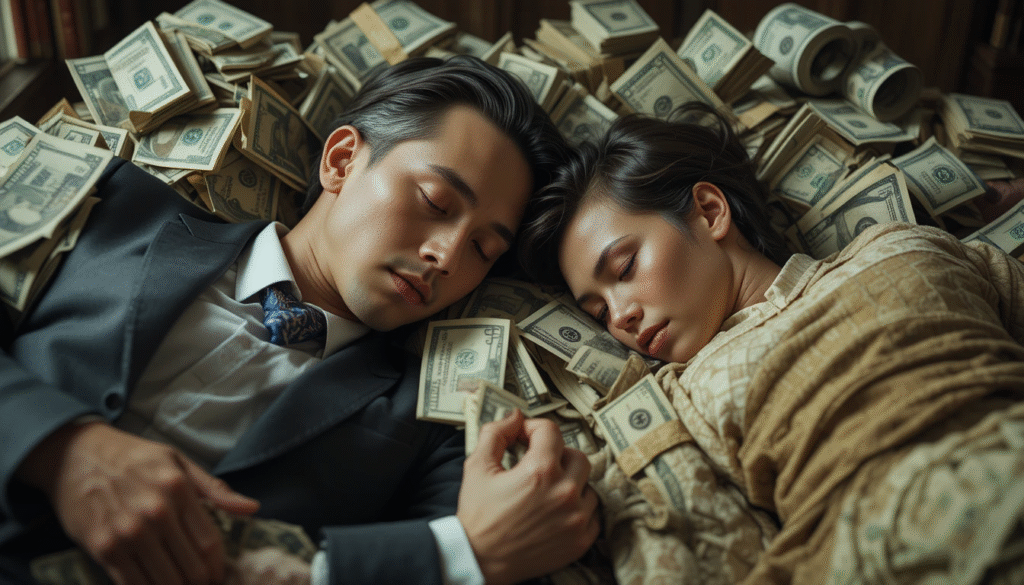
When conversations turn to legendary investors, no name shines brighter than Warren Buffett. Nicknamed the “Oracle of Omaha,” Buffett is widely regarded as the most successful investor of all time, amassing a fortune of more than $130 billion through a patient, disciplined approach to value investing. His journey is not only about stock picking but also about philosophy, temperament, and an unmatched ability to see opportunities where others see risk.
Early Roots and Financial Curiosity
Buffett’s financial instincts appeared early in life. Born in 1930, he bought his first stock at the age of 11—three shares of Cities Service Preferred. That small experiment taught him patience, as the stock dipped before recovering. From that point on, Buffett became obsessed with business and markets, delivering newspapers, running pinball machines, and experimenting with entrepreneurial ventures. By the time he was a teenager, he had saved thousands of dollars—an early indicator of his financial discipline.
The Benjamin Graham Influence
Buffett’s life changed dramatically when he studied under Benjamin Graham at Columbia Business School. Graham, the father of value investing, taught him the principle of buying undervalued stocks trading below their intrinsic value. The core idea was simple yet powerful: markets can be irrational in the short term, but over time, prices reflect true business fundamentals. Buffett absorbed this philosophy and built on it, blending Graham’s margin-of-safety principle with his own long-term vision of buying wonderful companies at fair prices.
The Berkshire Hathaway Transformation
The turning point in Buffett’s career came with Berkshire Hathaway, originally a struggling textile company. In the 1960s, Buffett began buying its shares because it was undervalued. Eventually, he took control, and instead of running the textile business, he transformed Berkshire into an investment holding company. This move became the foundation for his empire. Through Berkshire, Buffett purchased insurance companies like GEICO, which generated “float” (cash from premiums not yet paid out as claims) that he reinvested into other opportunities. This float gave Buffett an ever-expanding pool of capital to compound over decades.
Investment Philosophy: Patience and Discipline
At the heart of Buffett’s success lies his unwavering discipline. Unlike traders chasing short-term gains, Buffett seeks businesses with durable competitive advantages—what he calls “economic moats.” He prefers companies with strong brands, predictable earnings, and competent management. Famous examples include Coca-Cola, American Express, and Apple, all of which remain cornerstone investments for Berkshire Hathaway.
Another Buffett hallmark is patience. He often says, “The stock market is a device for transferring money from the impatient to the patient.” By holding investments for decades, Buffett benefits from the magic of compounding. A $1,000 investment in Berkshire Hathaway in 1965 would be worth over $25 million today, reflecting his commitment to long-term growth rather than market timing.
Iconic Deals and Billion-Dollar Wins
Buffett’s fortune is also tied to his ability to make bold moves during crises. In the aftermath of the 2008 financial crash, he invested in Goldman Sachs, Bank of America, and other institutions when confidence was at rock bottom. Those deals yielded billions in profits as markets recovered. His $5 billion investment in Bank of America, structured with special preferred shares and warrants, has since turned into one of Berkshire’s most lucrative bets.
His purchase of Apple stock in 2016 also highlights his adaptability. Despite being hesitant about tech stocks for decades, Buffett recognized Apple’s consumer brand power and ecosystem stickiness. Today, Apple represents Berkshire’s single largest holding, worth over $150 billion—proof of his willingness to evolve while staying true to his principles.
The Power of Simplicity
One of Buffett’s greatest strengths is his ability to cut through complexity. He avoids businesses he doesn’t understand, famously passing on early opportunities in Microsoft and Google. Critics often point to missed gains, but Buffett insists that staying within his “circle of competence” is vital. By focusing only on businesses he understands deeply, he avoids costly mistakes. This simplicity resonates with everyday investors who admire his clear communication in annual letters to Berkshire shareholders.
Wealth with Responsibility
Beyond investing, Buffett is also a model of financial responsibility. Despite being one of the richest men on Earth, he still lives in the modest Omaha home he bought in 1958 for $31,500. More importantly, he pledged to give away the vast majority of his fortune. Through the Giving Pledge, co-founded with Bill and Melinda Gates, Buffett has committed to donating over 99% of his wealth to philanthropy. For him, money is a tool to create impact, not just accumulate wealth.
Legacy and Timeless Lessons

Buffett’s influence goes far beyond his billions. His career teaches timeless lessons: stay disciplined, invest for the long term, and focus on businesses with enduring value. He proves that extraordinary wealth can be built not by chasing trends but by patiently compounding over decades.
In a world where markets are dominated by volatility, algorithmic trading, and speculation, Buffett stands as a reminder that true financial mastery lies in simplicity, patience, and conviction. For this reason, the “Oracle of Omaha” remains not just an investor, but a teacher to millions seeking financial wisdom.