

Introduction: The Rise of the Digital Nomad Lifestyle
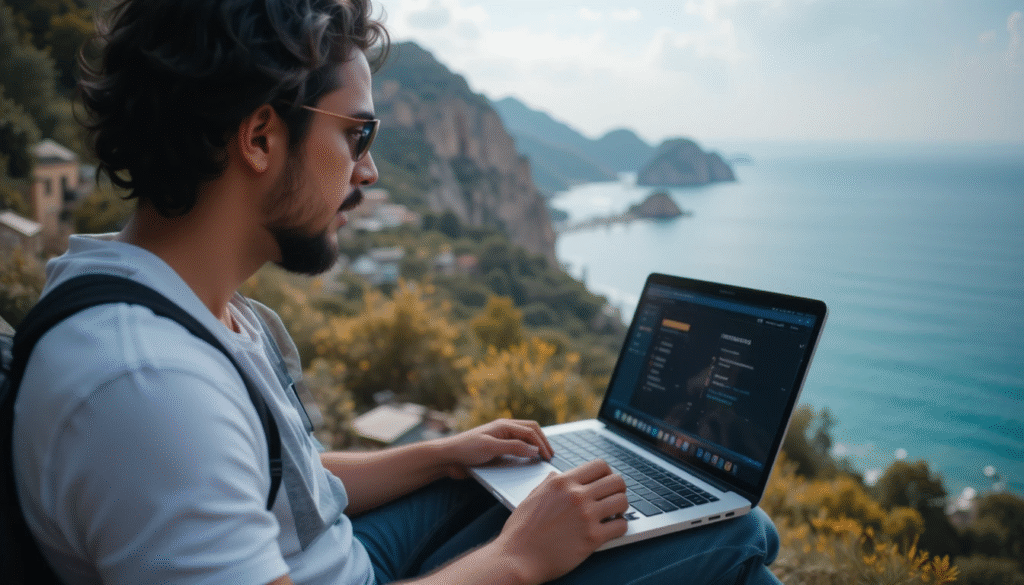
The dream of working on a laptop from a beach in Bali or a café in Lisbon used to sound like fantasy. Today, it’s a lifestyle for millions. The digital nomad movement is growing rapidly—powered by remote work, technology, and a shifting mindset around freedom.
At the core of this lifestyle is a powerful desire for financial freedom—but are the two truly connected?
Let’s break down the financial realities, perks, risks, and necessary strategies that every aspiring or current digital nomad needs to know.
1. What Is a Digital Nomad?
A digital nomad is someone who works remotely while traveling or living in different parts of the world. They may be freelancers, remote employees, online entrepreneurs, or creators.
The key traits:
- Location independence
- Flexible income sources
- Minimal attachment to physical assets
- Focus on lifestyle over traditional career paths
But living untethered comes with both financial freedom and fragility.
2. Digital Nomad ≠ Financially Free
Just because someone travels full-time doesn’t mean they’re financially free.
Financial freedom means:
- Your income is greater than your expenses—sustainably
- You’re not bound to work for money constantly
- You have long-term financial security
Some digital nomads burn through savings, live paycheck to paycheck, or delay financial planning for the sake of mobility. They have location freedom, but not necessarily financial peace.
The goal is to have both.
3. The Hidden Financial Benefits of Nomadism
Despite potential instability, the digital nomad lifestyle offers unique financial advantages:
- Geoarbitrage: Earning in USD or EUR while living in lower-cost countries (like Thailand or Mexico) can stretch your money further.
- Minimalism: No car payments, less shopping, fewer possessions.
- Reduced housing costs: Short-term rentals or co-living spaces often cost less than long-term leases in Western cities.
- Flexible budgeting: You can adapt your lifestyle to your income month-to-month.
If managed wisely, nomadism can accelerate savings and investments—especially when combined with remote work income.
4. The Hidden Costs That Kill Freedom
However, not everything is cheaper. Many nomads overlook critical costs:
- Visas & legal fees: Constant travel = visa runs, extensions, and sometimes costly legal advice.
- Health insurance: International coverage is often more expensive or incomplete.
- Travel fatigue: Constant movement can lead to mental burnout, which may reduce work output and income.
- Unstable income: Freelancers and gig workers often face feast-or-famine cycles.
- No employer safety net: No retirement plan, sick leave, or unemployment benefits.
Unpredictability is expensive, especially without a financial cushion.
5. Budgeting as a Nomad
Nomadic budgeting is unlike traditional personal finance. You must budget across time zones, currencies, and unpredictability.
Tips:
- Set a monthly base budget in your home currency
- Include a “flex fund” for sudden flights, emergency lodging, or currency fluctuations
- Use tools like Revolut, Wise, or YNAB to track international spending
- Consider insurance, tech replacements, and co-working fees as essential categories
The key is anticipating volatility, not avoiding it.
6. Retirement and Investing on the Road
Nomads often delay long-term planning, but ignoring retirement = gambling with your future.
Even if you’re location-free, you should:
- Open IRAs, Roth IRAs, or international-friendly brokerages
- Automate monthly contributions to ETFs or index funds
- Diversify beyond your digital income (e.g., dividend stocks, real estate, digital assets)
- Set up emergency funds in multiple currencies/accounts
Being a nomad doesn’t exempt you from needing compound interest on your side.
7. Taxes: The Tricky Territory
Nomads often miscalculate the complexity of taxes.
Things to watch:
- You may still owe taxes in your home country (especially U.S. citizens)
- Some countries may tax digital income if you stay too long (over 183 days)
- You may qualify for tax benefits like the Foreign Earned Income Exclusion (FEIE), but it requires proper residency setup
- Consider using a nomad-focused tax advisor to avoid legal and financial risk
Skipping taxes now can cost you heavily later.
8. Multiple Streams = Stability
Nomads need to build income durability. Since a single freelance client or remote job can disappear overnight, income diversity is non-negotiable.
Build:
- Freelance gigs across platforms (Upwork, Fiverr, Toptal)
- Digital products (ebooks, courses, templates)
- Affiliate income from niche blogs or YouTube
- Remote job + side hustle strategy
- Passive investments as a long-term goal
More income streams = more freedom to travel without stress.
9. When Financial Freedom Is Achieved
True financial freedom for digital nomads includes:
✅ Emergency funds in 2+ currencies
✅ Consistent income with low volatility
✅ Tax & legal clarity in multiple jurisdictions
✅ Savings/investments that grow without daily input
✅ Work optionality—freedom to stop if desired
Only then is your lifestyle truly free, not dependent on hustle or hope.
10. Building a Sustainable Nomadic Life
Want to stay free for the long haul? Focus on sustainability.
- Travel slow (1–3 months per location) to reduce costs and burnout
- Build community with other nomads or locals to avoid isolation
- Prioritize mental health and routine even in exotic places
- Keep a plan B (home base, return budget, fallback income)
- Regularly review your net worth, goals, and lifestyle alignment
Freedom is fragile—design it with intention.
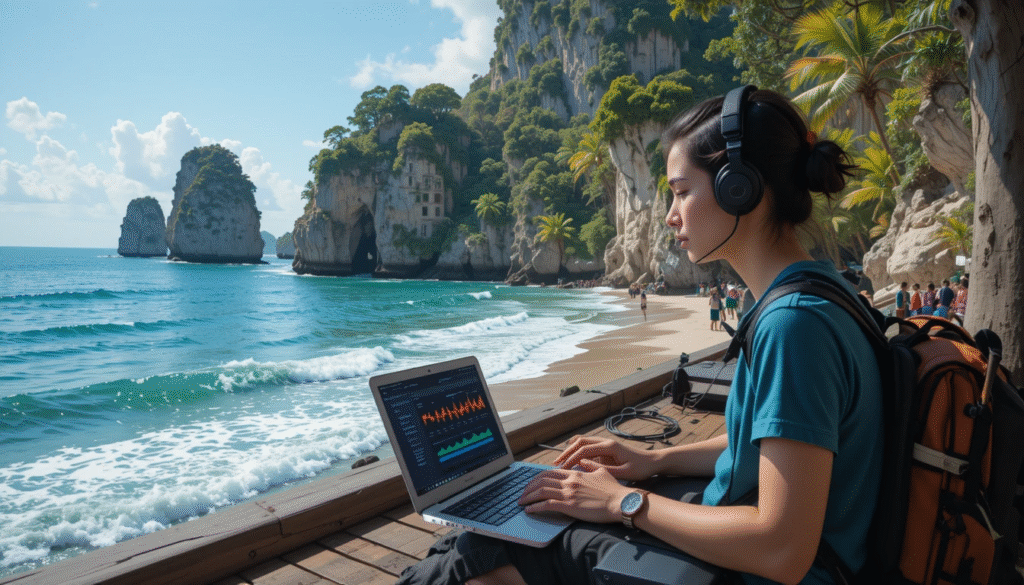
Conclusion: Your Freedom Must Be Funded
Being a digital nomad looks like freedom on Instagram—but true freedom isn’t a passport stamp. It’s financial security, income stability, and life by design—not desperation.
Digital nomadism and financial freedom can align beautifully, but only if you treat your money with discipline, planning, and adaptability.
In the end, it’s not just about where you can go—but how long you can stay free when you get there.
